
If you’re with someone who might have drunk too much, call 911 right away. If you or your friend are under the legal drinking age, you might be worried about the legal Sober living home consequences. But alcohol poisoning is so serious, that not calling 911 could result in death. In any case, it’s unlikely that the paramedics or hospital team will call the police. Most states have Good Samaritan laws, which allow people to call 911 without fear of arrest if they’re having a drug or alcohol overdose or see someone else who is overdosing. Yes, there are emergency treatments for alcohol overdose that include airway management, intravenous fluids, oxygen therapy, and gastric lavage.
The Effects of Binge Drinking
Medical teams will immediately assess your airway status and implement protective measures to prevent respiratory complications. Airway protection protocols guarantee your breathing passages remain clear while oxygen therapy supports adequate blood oxygen levels. Research shows only 2.3% of patients require emergency intubation during alcohol intoxication cases. Healthcare providers carefully monitor for irregular breathing patterns, as patients experiencing alcohol poisoning often have fewer than eight breaths per minute. Medical staff will also administer IV fluids to combat severe dehydration that often accompanies alcohol poisoning.
- Acute ingestion generally results in elevation of mood, disinhibition, and increased confidence, leading to argumentative or combative behavior.
- Most people call this stage of intoxication being “tipsy.” A person’s BAC at this stage might range from 0.03 to 0.12 percent.
- Your patient rights usually include having a family member present, but medical staff might limit access during certain procedures or if the patient is combative.
Symptoms
- He obtained his medical degree from West Virginia University where he also completed his residency training, finishing as chief resident.
- Each individual’s reaction to alcohol varies based on factors like body weight, metabolism, hydration, age, and overall health.
- Gastric decontamination with activated charcoal has limited, if any, value because methanol is rapidly absorbed within 30 minutes of ingestion.
- For certain drug types, some symptoms are less prominent, and in some cases, not all symptoms apply.
Alcohol overdose, or alcohol poisoning, occurs when excessive alcohol consumption leads to dangerous BAC levels, overwhelming the body’s ability to function. According to the Centers for Disease Control and Prevention (CDC) 2023, excessive alcohol use contributes to over 2,600 alcohol poisoning deaths annually in the United States, with an average of 6 deaths per day. Binge drinking, defined as consuming a large amount of alcohol in a short period, is a significant contributor to alcohol poisoning. For men, this typically means consuming five or more drinks within two hours; for women, it is four or more drinks within the same timeframe. Binge drinking can lead to rapid increases in blood alcohol concentration (BAC), overwhelming the body’s ability to process alcohol. Poisonings with methanol, ethylene glycol, and isopropanol—commonly referred to as the toxic alcohols—often present the emergency physician with a major diagnostic challenge.
Alcohol poisoning

Consuming them alleviates symptoms like fatigue, https://tripsatlasmountains.com/who-benefits-from-alcoholics-anonymous-meetings/ nausea, and dehydration. While these treatments ease hangover symptoms, the most effective strategy is to drink alcohol in moderation and stay hydrated. If hangover symptoms persist or worsen, it’s advisable to consult a healthcare professional. When someone has alcohol poisoning, immediate action is vital to prevent serious complications or death.
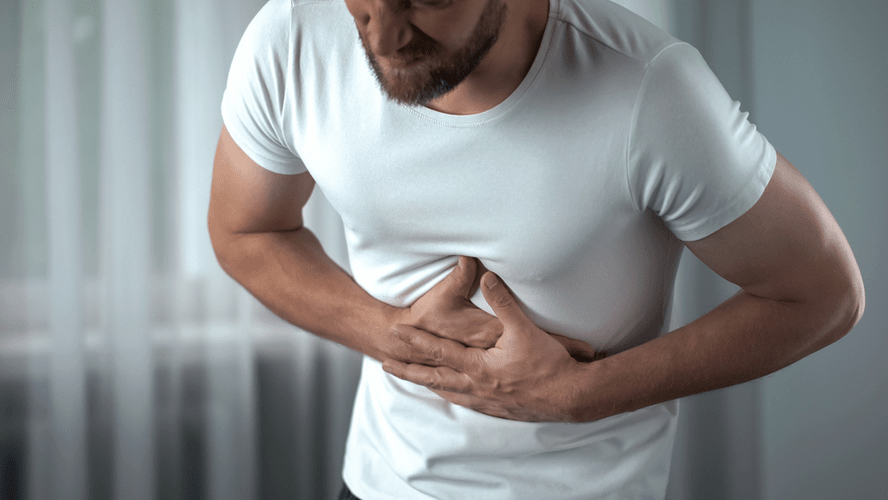
Checking glucose is important, as many individuals with alcohol use disorder may have depleted glycogen stores. Alcohol poisoning is a medical emergency that kills six people in the U.S. each day. Also known as ethanol poisoning or alcohol overdose, alcohol poisoning is caused by using too much alcohol. This most often occurs while binge drinking, but it can also happen with heavy drinking or when a child gets into alcohol. Alcohol poisoning can also occur when medications or other substances increase the potency of alcohol. The dangers of drinking on an empty stomach are significant due to the rapid absorption of alcohol into the bloodstream, which heightens the risk of overdose alcohol overdose and impairs judgment.